
WHAT IS BERA?

Comprehensive Understanding of BERA: Advanced Brainstem Evoked Response Audiometry

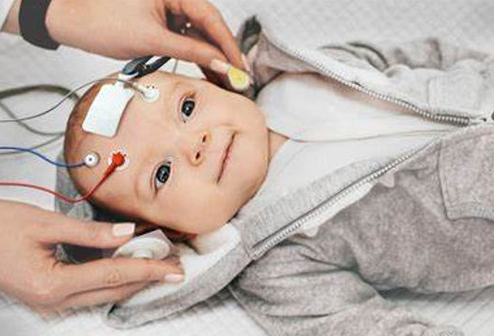
BERA is an objective, non-invasive audiological diagnostic test that measures the brainstem’s electrical response to specific auditory stimuli such as clicks or tone bursts. It plays a crucial role in assessing the integrity of the auditory neural pathways from the ear to the brainstem.

BERA is highly reliable in detecting hearing impairments and neurological abnormalities, allowing for early, accurate diagnosis and timely intervention, particularly in newborns and unresponsive patients.
WHY IT'S USED

BERA Uses and Benefits

BERA is utilized to accurately evaluate complete auditory pathway integrity, diagnose subtle neural deficits, and guide optimal treatment interventions promptly.

Safe Non-Invasive Procedure

Provides a painless, risk-free approach for evaluating precise auditory responses with advanced accuracy.

Objective Neural Assessment

Measures brainstem responses to stimuli, ensuring clear data for accurate auditory diagnosis today.

Early Hearing Detection

Identifies early auditory impairments, enabling prompt interventions and improved long-term hearing outcomes successfully.
Diagnostic Clarity Assurance

Delivers definitive diagnostic insights into auditory nerve function using sophisticated measurement techniques efficiently.

Comprehensive Signal Analysis

Processes and analyzes neural signals meticulously to generate accurate and actionable clinical reports.

Rapid Diagnostic Results

Provides swift, reliable test outcomes, significantly enhancing the speed of clinical decision-making processes.

TEST PROCEDURE

Procedure of Conducting BERA

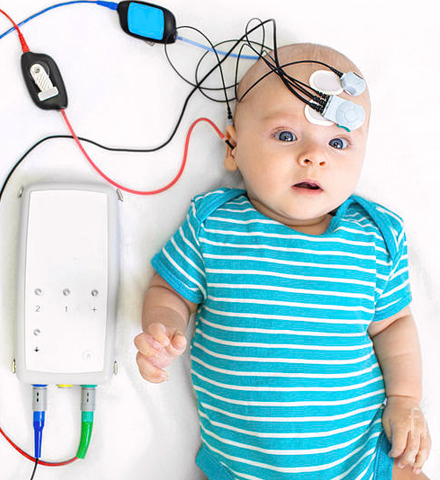
The Pure Tone The BERA process involves placing electrodes on the scalp, delivering auditory stimuli through earphones, and recording neural responses. This non-invasive procedure precisely maps the auditory pathway to identify any conduction abnormalities, ensuring optimal clinical results.

Electrode Application

1. Scalp Preparation

The technician cleans and prepares the scalp thoroughly, ensuring optimal adhesion and low impedance for accurate electrode placement during the BERA test procedure consistently monitored.

2. Electrode Positioning

Precise positioning of electrodes along the scalp captures essential auditory signals, with calibration ensuring that each electrode records the correct neural response with high fidelity.

3. Impedance Check

A rigorous impedance check follows electrode placement, validating signal quality. This step ensures optimal electrical connectivity for precise capture of brainstem responses during auditory testing.

Stimulus Delivery

1. Earphone Calibration

Individual earphone settings are calibrated to deliver sound at controlled intensities, guaranteeing that each auditory stimulus remains consistent across testing sessions without variations for accuracy.

2. Stimulus Onset

The system delivers brief auditory clicks at specific intervals. These stimuli trigger neural responses that are then recorded and analyzed for diagnostic accuracy with consistency.

3. Data Capture

Modern equipment records minute variations in brainstem electrical activity, converting them into digital signals for subsequent detailed analysis by expert technicians, ensuring reliable clinical assessment thoroughly.

Response Recording

1. Signal Amplification

The recorded neural signals are amplified to detectable levels, ensuring that even the smallest auditory brainstem responses can be measured and analyzed accurately with precision.

2. Response Latency

The test measures the time delay between auditory stimulus and neural response, a crucial metric in determining the functional integrity of the auditory pathway accurately.

3. Digital Conversion

The amplified signals are digitized and stored for further analysis, allowing clinicians to review the brainstem responses comprehensively and compare them to normative data thoroughly.

Artifact Elimination

1. Noise Reduction

Advanced signal processing techniques minimize electrical interference, ensuring that ambient noise does not distort the recorded brainstem responses during the test session with high consistency.

2. Data Filtering

Specialized algorithms filter out unwanted signals from the recorded data, sharpening the clarity of neural responses to facilitate accurate interpretation of auditory function effectively refined.

3. Movement Minimization

Patients are instructed to remain still during the test, reducing motion artifacts and ensuring the reliability of recorded auditory brainstem responses without distortions consistently maintained.

Result Analysis

1. Waveform Identification

Technicians identify and label key waveforms from the digital data, which correlate with neural activity and provide insights into hearing pathway performance accurately with precision.

2. Normative Comparison

The obtained responses are compared with established normative data to determine deviations and diagnose potential auditory dysfunction in the brainstem pathway for conclusive diagnostic decisions.

3. Final Report

A comprehensive final report is generated, summarizing all test parameters, detected anomalies, and providing clinical recommendations for further hearing management for optimal patient care now.

Quality Check

1. Data Verification

Data is meticulously verified against quality standards, ensuring that every recording meets clinical benchmarks and provides reliable, reproducible results for effective diagnosis without any error.

2. Final Calibration

A final calibration step ensures all equipment is accurately adjusted, guaranteeing that the test results reflect true auditory function and align with current clinical protocols.

3. Review Process

Experienced clinicians review the entire dataset, cross-examining every parameter and waveform thoroughly to confirm the reliability and diagnostic quality of the test results with certainty.