
VEMP
Understanding VEMP Testing and the Two Primary Response Types
VEMP (Vestibular Evoked Myogenic Potentials) is a non-invasive neurophysiological test used to evaluate the function of the otolithic organs (saccule and utricle) and the vestibular pathways. It helps detect vestibular nerve or inner ear damage by recording muscle responses triggered by sound stimuli.
There are two main types:
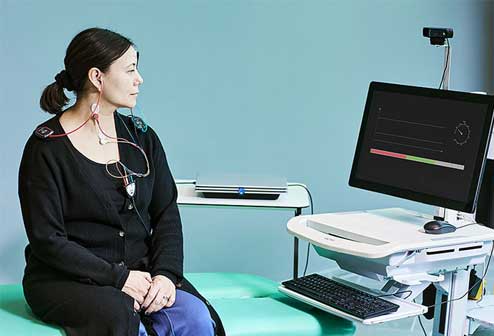
cVEMP (cervical VEMP) evaluates saccular and inferior vestibular nerve function using neck muscles.
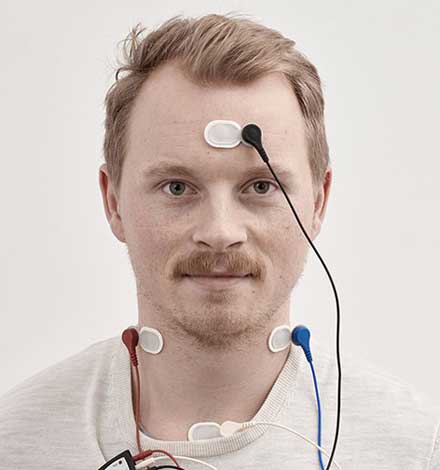
oVEMP (ocular VEMP) assesses utricular and superior vestibular nerve function through eye muscles.
WHY IT IS IMPORTANT
Critical Vestibular Function Assessment
VEMP testing plays a vital role in diagnosing balance-related disorders and determining specific
vestibular pathway impairments accurately.

Assesses Otolith Function
Evaluates saccule and utricle through muscle reflex response testing.
Detects Vestibular Loss
Identifies dysfunction or asymmetry in vestibular nerve signal pathways.
Differentiates Pathways Clearly
Distinguishes superior and inferior vestibular nerve pathway integrity clearly.
Helps Balance Diagnosis
Supports diagnosis of vertigo, dizziness, and other balance disorders.
Monitors Vestibular Recovery
Tracks vestibular function changes throughout the patient’s recovery process.
Aids in Neurological Screening
Screens for central or peripheral vestibular and neurological abnormalities.
HOW IS IT DONE?
Step-by-Step Test Process
VEMP testing involves placing electrodes on the neck or near the eyes and delivering auditory stimuli through headphones. The muscle responses are recorded to analyze vestibular function in a comfortable, non-invasive setting.
 Preparation Stage
 Electrode Placement
 Stimulus Delivery
 Muscle Activation
 Waveform Recording
 Data Interpretation
WHAT WE DO
Diagnosing Balance Disorders
VEMP testing assists in diagnosing vestibular disorders by evaluating specific inner ear organs. It plays an essential role in distinguishing between central and peripheral causes of dizziness, especially in difficult-to-diagnose balance conditions.

Superior Canal Dehiscence
Detects abnormal vestibular sensitivity caused by thinning bone over the superior semicircular canal.

Vestibular Neuritis
Identifies unilateral vestibular nerve dysfunction resulting in sudden vertigo and balance loss symptoms.

Multiple Sclerosis
Evaluates brainstem damage affecting vestibular pathways, causing disrupted balance and abnormal muscle responses.

Vestibular Schwannoma
Confirms tumor-caused vestibular reflex loss on one side, aiding early diagnosis and treatment.
OUR STANDARDS
Trusted Testing Quality
At Hearingg Clinic, all VEMP procedures are carried out using globally certified equipment under expert supervision. We follow strict hygiene, calibration, and procedural standards to ensure reliable results and exceptional patient comfort.

Advanced Equipment
CE-certified VEMP systems provide accurate diagnostics with reliable technology for vestibular function assessment.

Audiology Experts
Skilled audiologists ensure proper testing, accurate interpretation, and personalized patient care throughout procedures.

Patient Hygiene
Tests use sterilized, safe accessories to maintain hygiene and prevent cross-contamination during all procedures.

Protocol Adherence
Procedures follow strict international vestibular testing standards for consistent, valid, and reliable diagnostic results.
Frequently Asked Questions
Your Questions, Our Answers
Questions about hearing? We’ve got the answers — from our experts at Hearingg Clinic, Trichy.
No, VEMP is a completely painless and non-invasive test. You may feel slight vibrations or sound stimulation, but the process is comfortable and safe for both adults and children.
VEMP testing typically takes 30 to 45 minutes, including preparation and data recording. Some cases may take longer if both cVEMP and oVEMP are done.
Yes, VEMP can be safely performed in cooperative children. Child-friendly techniques and positioning are used to ensure accurate results and minimal discomfort.
The test may temporarily trigger a sensation of imbalance, but this is rare. Most patients do not experience any dizziness during or after the test.
Preliminary results are available immediately. A detailed report is provided within 24 hours and discussed with your ENT or audiologist.
Schedule Your VEMP Test With Our Vestibular Experts
Want to assess your balance or inner ear health? Our audiology experts are ready to guide you with accurate VEMP testing to uncover the root cause of dizziness and hearing instability.
- FOR APPOINTMENTS: +91 80155 99556
- OR
- DROP US AN EMAIL: wecare@hearinggclinic.com
VEMP Test Booking
Submit the form to schedule your appointment.