ABOUT ECoch-G
Understanding Electrocochleography (ECoch-G) in Hearing Diagnostics
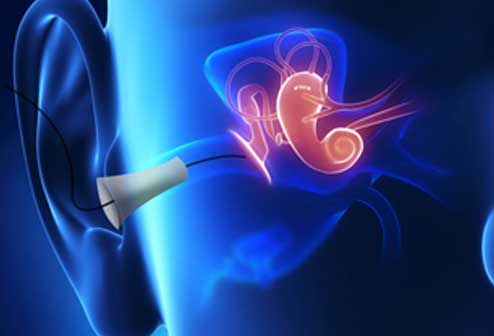
Electrocochleography (ECoch-G) is a diagnostic audiology test that records electrical potentials generated by the inner ear and auditory nerve in response to sound stimulation. It is particularly useful for identifying inner ear disorders such as Meniere's disease and auditory neuropathy.
This test is non-invasive and helps audiologists evaluate cochlear and auditory nerve function with high precision and reliability.
Satisfied Clients: Trusted by over 10,000 happy patients.
WHY IT IS IMPORTANT
ECoch-G Clinical Significance
Electrocochleography (ECoch-G) plays a vital role in identifying inner ear disorders, evaluating auditory nerve activity, monitoring cochlear health, and supporting the development of precise, patient-specific treatment and management plans.

Early Detection
Detects inner ear problems before symptoms appear, enabling timely medical response and better treatment planning.
Treatment Guidance
Provides essential data to design personalized and evidence-based treatment strategies for auditory disorders.
Objective Results
GProvides clear, measurable, and accurate diagnostic results with no influence from patient behavior or perception.
Non-Invasive Test
Safe, painless, and suitable procedure for all age groups, including infants and elderly patients.
Hearing Accuracy
Accurately evaluates cochlear and auditory nerve performance to assess overall hearing system functionality.
Balance Disorders
Assists in detecting balance-related disorders such as vertigo and dizziness with clinical accuracy.
WHAT WE DO
Electrocochleography Testing Process
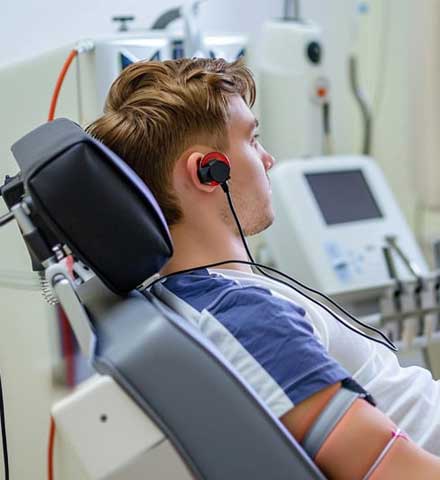
ECoch-G testing involves sound stimulation and electrode placement to measure inner ear and auditory nerve responses. The procedure is safe, quick, and typically completed within 45 minutes under professional supervision.
 Preparation Phase
 Electrode Placement
 Sound Stimulation
 Signal Recording
 Data Interpretation
 Reporting and Advice
WHAT WE DO
Diagnostic Utility Explained
ECoch-G helps ENT specialists and audiologists diagnose inner ear and neural pathway disorders by interpreting the cochlea's electrical signals. It's particularly useful in identifying hidden hearing issues and balance-related dysfunctions early.

Menieres Disease
Detects abnormal pressure changes inside the cochlea and identifies fluctuating endolymphatic fluid levels causing vertigo and tinnitus.

Auditory Neuropathy
Identifies disrupted auditory nerve signals, even when hearing thresholds appear normal, indicating potential neural transmission disorders.

Cochlear Hydrops
Reveals inner ear fluid build-up that affects cochlear function, contributing to hearing fluctuations, tinnitus, and dizziness symptoms.

Hidden Hearing Loss
Assesses neural auditory pathway response accuracy when basic audiometric results fail to detect deeper processing or signal issues.
OUT STANDARDS
Clinical Quality Assured
At Hearingg Clinic, we follow international audiological protocols and use advanced ECoch-G equipment to ensure reliable results, patient comfort, and safety. Every step is supervised by qualified audiologists and ENT professionals.

Certified Equipment
We use advanced, CE and ISO-certified ECoch-G machines to ensure accuracy, reliability, and international quality standards.

Expert Professionals
All tests are performed by qualified, experienced audiologists trained in conducting precise ECoch-G diagnostic procedures safely.

Hygienic Environment
We maintain a sterile, sanitized clinical setting using disinfected equipment for maximum safety and patient comfort.

Evidence-Based Practice
Every diagnosis is based on globally accepted, medically validated protocols ensuring credible and consistent clinical outcomes.
Frequently Asked Questions
Your Questions, Our Answers
Questions about hearing? We’ve got the answers — from our experts at Hearingg Clinic, Trichy.
ECoch-G is a non-invasive and painless procedure. You might feel slight pressure during electrode placement near the eardrum, but it causes no discomfort. Most patients, including children, tolerate it well.
A typical ECoch-G test takes around 45–60 minutes including preparation, testing, and data analysis. If a child or an uncooperative patient is involved, it may take slightly longer.
Yes, ECoch-G can indirectly help identify balance-related issues, especially when caused by inner ear fluid abnormalities like in menieres disease or cochlear hydrops.
Patients experiencing vertigo, fluctuating hearing loss, tinnitus, or suspected neural hearing loss are usually recommended for ECoch-G testing. It’s also used in difficult-to-diagnose cases.
ECoch-G is safe for infants and children. In pediatric cases, specialized techniques and gentle equipment are used, making it effective for early hearing diagnosis and intervention.
Schedule Your Electrocochleography Test With Our Expert Audiologists
Ready to take the next step in understanding your hearing or balance concern? Our audiologists are available to guide you with expert diagnostics and patient-friendly care through advanced ECoch-G testing.
- FOR APPOINTMENTS: +91 80155 99556
- OR
- DROP US AN EMAIL: wecare@hearinggclinic.com
ECoch-G Test Appointment
Fill the form to confirm your slot.