WHAT IS OAE?

Otoacoustic Emissions Test : A Standard Test for Infant Hearing

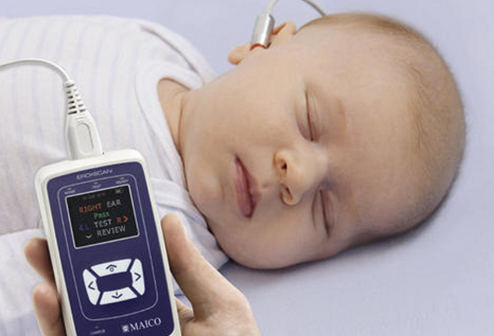
Otoacoustic Emissions (OAE) testing measures sounds produced by the inner ear’s hair cells in response to auditory stimuli. It is a quick, non-invasive screening tool widely used for newborn hearing assessment to detect early hearing loss.

Early identification through OAE enables timely intervention, critical for speech, language, and cognitive development. This test helps audiologists confirm cochlear function and screen infants before hospital discharge or during routine pediatric visits.
BENEFITS OF OAE

Benefits of Newborn OAE Screening

OAE screening provides early detection of hearing issues in infants. It is a quick, non-invasive, and painless procedure that helps prevent developmental delays by identifying hearing loss at a critical stage.

Early Detection

Identifies hearing loss early, enabling timely intervention to improve outcomes.

Non-invasive Test

Conducted gently without causing any discomfort or harm to newborn babies.

Quick Procedure

Screening completes within minutes, making it fast and efficient for infants.
High Accuracy

Provides reliable detection of cochlear function abnormalities in newborns.

Cost Effective

Early diagnosis helps reduce long-term healthcare costs and improves treatment.

Universal Screening

Recommended for all newborns, regardless of risk, ensuring comprehensive screening.

HOW IT IS DONE

Newborn OAE Testing Procedure

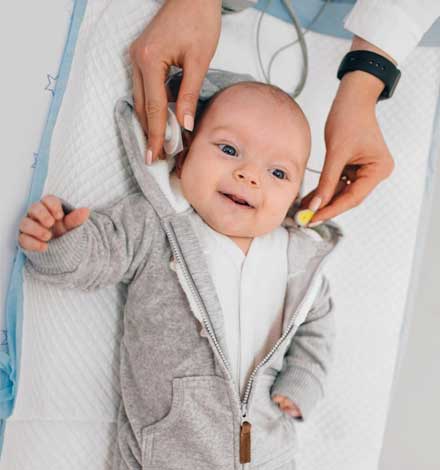
OAE testing is performed in a quiet environment with the baby calm or asleep. A small probe is gently placed in the ear canal, emitting soft sounds and recording the ear’s response, requiring minimal infant cooperation.

Preparation

1. Clean ear

The baby’s outer ear is carefully cleaned using a soft cloth or cotton swab to remove wax, debris, or moisture that may affect sound transmission and test accuracy.

2. Calm baby

To ensure precise results, the infant is soothed or kept asleep during the test, minimizing movement or crying that could disrupt the sensitive measurement process.

3. Position probe

A small, soft-tipped probe is gently inserted into the ear canal, ensuring a snug but comfortable fit to deliver sounds and capture precise cochlear responses without causing distress.

Sound Delivery

1. Play stimuli

The device gently delivers soft clicking sounds or tone bursts into the infant’s ear canal, stimulating the cochlea to elicit precise auditory responses for accurate assessment.

2. Measure echoes

The probe captures tiny sound waves, known as echoes, generated by the cochlea in response to stimuli, allowing assessment of inner ear function and health.

3. Repeat test

To ensure reliable and consistent results, the test is performed multiple times, confirming the accuracy of the cochlear responses recorded during the screening process.

Data Recording

1. Capture signals

The device accurately records cochlear echo signals generated by the newborn’s ear, providing essential data needed to assess auditory function and detect any abnormalities early on.

2. Analyze waveforms

Recorded waveforms are carefully analyzed using advanced software to differentiate normal cochlear responses from those indicating possible hearing loss or dysfunction in the infant.

3. Store results

All test results are securely saved in the system, ensuring easy access for audiologists during diagnosis and sharing with parents for necessary follow-up and intervention planning.

Post-Test Care

1. Remove probe

After completing the test, the probe is carefully and gently withdrawn from the baby’s ear canal, ensuring no discomfort or harm is caused during removal.

2. Explain results

Audiologists provide a clear, detailed explanation of the screening results to parents, answering questions and discussing any recommended next steps for further evaluation or care.

3. Schedule follow-up

If the screening indicates potential concerns, audiologists schedule follow-up appointments promptly to conduct additional hearing tests or begin early interventions for the newborn’s auditory health.

Calibration

1. Device check

Before testing, the OAE device is calibrated to ensure precise sound delivery and accurate detection of cochlear responses.

2. Signal verification

echnicians verify the signal quality and noise levels to confirm the equipment is functioning optimally for reliable results.

3. System readiness

The entire testing system is reviewed and prepared to maintain consistency and accuracy throughout the screening process.

Parental Support

1. Inform parents

Parents are briefed on the procedure, its importance, and what to expect during and after the newborn hearing screening.

2. Address concerns

Any questions or concerns from parents are addressed patiently to ensure comfort and confidence in the screening process.

3. Provide guidance

Clear guidance is given on follow-up steps if screening results indicate possible hearing issues requiring further evaluation.