Tinnitus Retraining Therapy
Tinnitus Retraining Therapy
Understanding Tinnitus Retraining Therapy in Detail
Tinnitus Retraining Therapy (TRT) is a clinically proven, sound-based treatment designed to help individuals manage chronic tinnitus. It combines sound therapy with directive counselling to reduce the emotional and perceptual response to tinnitus.
By retraining the brain's auditory pathways, TRT aims to make the tinnitus less noticeable and more manageable over time. This long-term approach is tailored to each patient’s unique condition and is effective in significantly reducing tinnitus distress without relying on medication or surgical intervention.
TRT TESTING METHODS
Testing Methods of Tinnitus Retraining Therapy
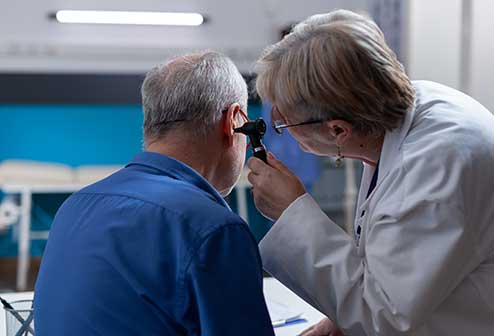
Audiological evaluations help identify tinnitus pitch, hearing thresholds, and sound tolerance,
enabling a customized, effective, and targeted TRT treatment plan.

Pure Tone Audiometry
Determines hearing levels to establish baseline auditory sensitivity across all key frequencies.
Tinnitus Matching Test
Matches tinnitus pitch and loudness using external tones to understand individual perception.
Loudness Discomfort Levels
Identifies sound intensity levels that cause discomfort to assess auditory tolerance thresholds.
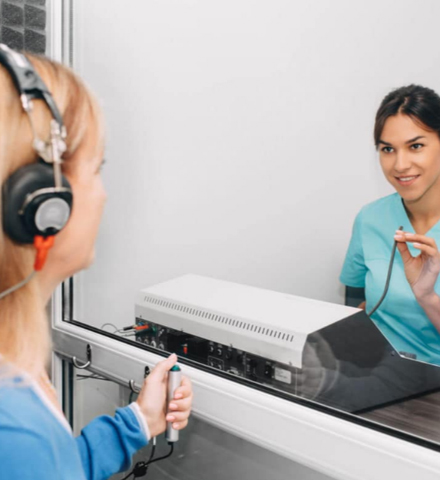
Minimum Masking Level
Measures the minimum noise level needed to mask the perception of tinnitus sounds effectively.
Residual Inhibition Test
Observes temporary suppression of tinnitus following specific noise exposure in controlled settings.
Speech Discrimination Test
Evaluates speech understanding in both quiet and noisy environments to gauge communication ability.
TRT TESTING PROCEDURE
Step-by-Step Process
The TRT testing procedure includes multiple audiological evaluations to analyze hearing sensitivity, tinnitus characteristics, and sound tolerance levels. Each step is designed to provide comprehensive insights for personalized therapy planning.
 Case History
 Otoscopy Check
 Audiological Evaluation
 Tinnitus Matching
 Sound Tolerance Test
 Counselling Session
COMMON CONDITIONS
Tinnitus Retraining Therapy Diagnoses
Tinnitus Retraining Therapy testing is crucial in diagnosing conditions related to tinnitus and sound sensitivity. It helps differentiate underlying causes and provides insights into auditory function for targeted therapy planning and care.

Tinnitus Severity
Measures how loud or disruptive tinnitus is in daily
life and daily activities.

Hyperacusis Level
Checks if normal sounds feel uncomfortably loud or
cause pain or irritation.

Hearing Loss
Finds out if tinnitus is related to mild, moderate,
or severe hearing issues.

Emotional Distress
Assesses anxiety, frustration, or stress caused
by persistent tinnitus sounds.
WHY CHOOSE US
Your Hearing, Our Priority
We provide specialized, evidence-based tinnitus retraining therapies designed by certified audiologists. Our personalized care, advanced diagnostic tools, and compassionate approach ensure better outcomes and long-lasting relief for individuals affected by persistent tinnitus.
Expert Audiologists
Certified audiologists perform thorough assessments with expertise in tinnitus and hearing care.
Advanced Tools
We utilize modern diagnostic equipment for precise tinnitus evaluation and sound therapy.

Customized Care
Treatment plans are uniquely designed for every patient’s specific tinnitus condition.
Trusted Results
Many patients experience lasting relief and better living through our proven methods.
Frequently Asked Questions
Your Questions, Our Answers
Questions about hearing? We’ve got the answers — from our experts at Hearingg Clinic, Trichy.
Tinnitus Retraining Therapy (TRT) has demonstrated a strong success rate across clinical studies and patient reports. Approximately 80% or more of individuals who undergo TRT experience significant relief from the constant awareness of tinnitus, reduced stress levels, and an improved ability to concentrate and sleep. The therapy works by gradually retraining the brain to perceive tinnitus as a non-threatening background sound. However, the success of TRT largely depends on factors such as the severity and duration of tinnitus, the presence of hearing loss, patient motivation, and adherence to the treatment protocol.
The timeline for seeing results from Tinnitus Retraining Therapy can vary from person to person. Most patients begin to notice gradual improvements in their symptoms within 3 to 6 months of starting therapy. However, for full habituation and long-term relief, it generally takes 12 to 18 months of consistent therapy, including sound enrichment and regular counseling. TRT is not a quick fix—it is a long-term therapeutic process designed to reprogram the auditory system and reduce the brain’s overreaction to tinnitus. Patience and regular follow-up with your audiologist are key to achieving optimal outcomes.
While Tinnitus Retraining Therapy has been successful for many individuals, it may not be the best fit for everyone. TRT is most effective for patients who experience persistent, non-pulsatile tinnitus, often accompanied by stress, anxiety, or hyperacusis. It may not be suitable for patients with severe cognitive impairments or underlying neurological conditions that interfere with therapy participation. A comprehensive audiological evaluation is essential before starting TRT to determine your eligibility. Based on the assessment results, the audiologist will design a customized care plan and let you know if TRT is the right path for your specific needs.
No, Tinnitus Retraining Therapy does not involve any medications, injections, or surgical procedures. It is a completely non-invasive and drug-free treatment approach. TRT combines specialized sound therapy with professional counseling sessions aimed at helping patients retrain their brain’s response to tinnitus. The goal is to make the tinnitus sound less noticeable over time by reducing its perceived threat. Unlike pharmaceutical or surgical options, TRT relies on natural neural adaptation, making it safe and sustainable for long-term management. This makes it especially beneficial for patients seeking holistic, side-effect-free solutions to their tinnitus-related distress.
Yes. TRT is designed to address both tinnitus and hyperacusis (sound sensitivity). The therapy uses specific sound techniques and personalized counseling to reduce perception of tinnitus and improve tolerance to everyday sounds.
Book an Appointment for Tinnitus Testing Today
Schedule your tinnitus evaluation today and begin your personalized TRT journey toward lasting relief and auditory comfort.
- FOR APPOINTMENTS: +91 80155 99556
- OR
- DROP US AN EMAIL: wecare@hearinggclinic.com
Schedule Your Test
Fill out the form and submit it now.